Cauliflower Igloo: The Clever, Self-Protecting Choice for Home Growers
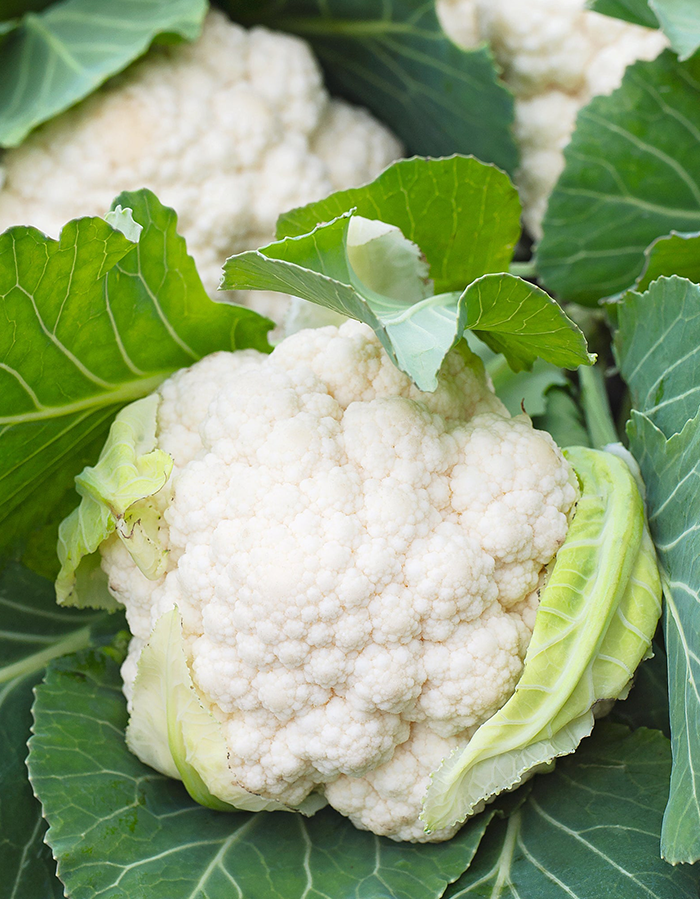
Cauliflower ‘Igloo’ (Brassica oleracea) is an excellent option for British vegetable plots where space and quality are both priorities. Its standout feature is its “self-protecting” nature; while many traditional varieties require the gardener to manually tie leaves over the heads to prevent yellowing, Igloo handles this naturally. The inner leaves curve tightly inwards, creating a shield that keeps the curd crisp, clean, and beautifully white.
Sowing and Establishing
To enjoy a staggered harvest, sow Igloo seeds between March and May. Because young brassicas are a favourite for garden pests, starting them in modular trays in a greenhouse or on a cool, bright windowsill is recommended. Once the plants have reached approximately 10cm and the soil is workable, they can be moved to their final positions. Cauliflowers appreciate a sunny spot with “firm” soil—treading the area down before planting helps provide the stable footing these heavy-headed plants require.
Versatile Spacing for Every Garden
The growth habit of Igloo allows for significant flexibility depending on your garden size and culinary needs:
- The “Mini” Harvest: By spacing plants just 15cm–25cm apart, you can grow gourmet mini-cauliflowers, perfect for single-person meals or small families.
- The Full-Sized Harvest: If you have more room, space them 45cm apart to allow the plants to reach their full potential, producing dense, heavy heads with a superb, mild flavour.
Care and Maintenance
The key to success with Igloo is consistent moisture. In the UK, a dry spell in mid-summer can cause cauliflowers to “button” (produce tiny, premature heads). Regular watering and a mulch of organic matter will keep the plants growing strongly. As with all cauliflower varieties, a fine netting is recommended to protect your crop from birds and the cabbage white butterfly.
Harvest and Culinary Use
Your first Igloo heads will typically be ready from July through to October. They are best harvested while the curds are still tight and firm to the touch. In the kitchen, this variety is highly versatile; the dense florets hold their shape well when steamed, roasted with spices, or used in a traditional cauliflower cheese. Because the heads have been protected by the foliage, they remain remarkably sweet and tender.
Why Grow Cauliflower Igloo?
Igloo’s compact, sturdy growth makes it much more resilient to wind-rock than taller varieties, which is a common advantage for more exposed UK allotments. Its ability to shield itself from both the mid-summer sun and the first chills of autumn ensures a long, successful harvesting window. For the gardener looking for a high-quality, professional-looking result with less manual effort, Igloo is a consistently dependable choice.
The Grown Local Verdict “Igloo is a practical variety for anyone looking to maximize their garden space. It solves the common problem of sun-scorched or discoloured heads without the need for manual leaf-tying. It is a robust, compact performer that delivers a clean, snow-white harvest across a variety of planting distances.”