
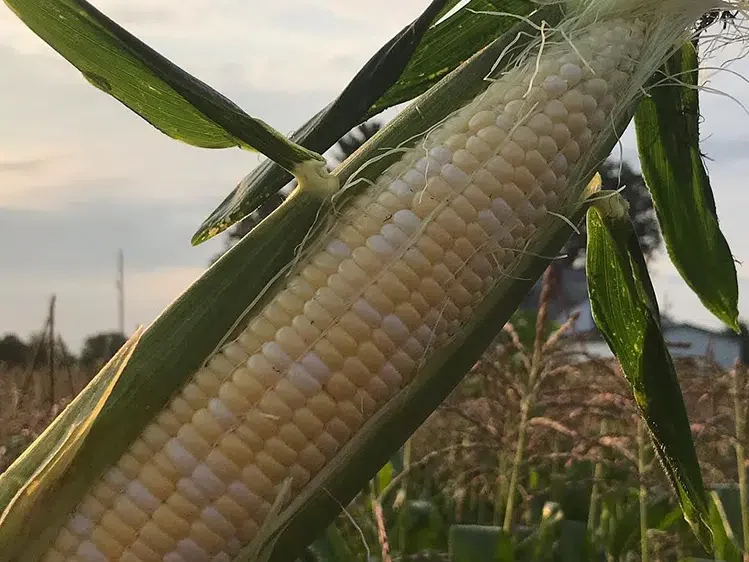
There’s something incredibly satisfying about growing your own sweetcorn. Watching the stalks reach towards the sky and finally harvesting the sun-warmed cobs is a summer highlight for many gardeners across the UK. Whether you’re a novice gardener dipping your toes into the world of homegrown veggies or a seasoned green thumb, sweetcorn offers a rewarding and delicious gardening adventure.
In a nutshell: sow seeds in small pots on a warm windowsill in April, plant them outside in a square block once the frosts are over (late May or early June), water them well through the summer, and pick your cobs from August.
- DifficultyEasy: a great first crop
- Sow to harvestAbout 4 months
- WhereFull sun, out of strong wind
- Spacing35–45cm apart, in a block
- Grows to1.5–2m tall
The growing year
When to grow it
Next: sow under cover from March
- Sow under cover: March to May
- Direct sow: May to June
- Plant out: May to June
- Harvest: August to October
Before you start
What you'll need
- Sweetcorn seeds One packet sows a good-sized block.
- Deep pots or root trainers Sweetcorn hates its roots being disturbed, so each seed gets its own deep pot.
- Seed or multi-purpose compost Any bag from the garden centre is fine.
- A warm, bright windowsill Or a greenhouse or porch that stays warm.
- A heated propagator Optional: it helps the seeds come up faster if you sow in March or early April.
- A sunny, sheltered bed With room for a block of at least nine plants (three rows of three).
- Garden compost or well-rotted manure To dig in before planting: sweetcorn is a hungry plant.
- Horticultural fleece Optional: to throw over young plants if a cold night is forecast.
Step by step
How to grow sweetcorn
April (late March to May)
Sow your seeds indoors
Fill small, deep pots or root trainers with compost and water them. Push one seed into each pot, about 2–3cm deep, and cover it over.
Keep them somewhere warm, around 18–21°C. A sunny windowsill indoors is perfect.
Tip: Sow one seed per pot. Sweetcorn sulks if its roots are pulled apart, so don’t sow into a tray and split them up later.
You'll know it's working when thin green shoots, like blades of grass, poke through the compost in 7–14 days.
April to May
Look after your seedlings
Keep them in the brightest spot you have, and turn the pots every day or two so they grow straight rather than leaning towards the window.
Water when the top of the compost feels dry. Damp is good; soggy is not.
Tip: Pale, tall, floppy seedlings are stretching for light. Move them somewhere brighter.
You'll know it's working when you have sturdy, dark green plants about 10–15cm tall.
Mid to late May
Harden them off
Plants raised indoors need about a week to get used to wind, sun and cooler air before they live outside. This is called hardening off.
Put them outside in a sheltered spot during the day and bring them back in at night. After about a week, leave them out overnight too, as long as no frost is forecast.
You'll know it's working when the leaves stay green and upright after a whole day outside.
Late May to June, after the last frost
Plant them out in a block
Dig some garden compost into a sunny, sheltered bed. Plant your sweetcorn in a square block, with several short rows side by side and the plants 35–45cm apart each way, rather than in one long line. Water them in well.
Why a block? Sweetcorn is pollinated by the wind: pollen falls from the top of each plant onto its neighbours. Planting close together in a block makes sure it lands where it’s needed.
Tip: Nine plants (three rows of three) is the minimum; 16 or more gives fuller cobs. No room to sow indoors? Sow two seeds together straight into the bed in late May or June, and pull out the weaker one if both come up.
You'll know it's working when new leaves appear within a week or two.
June to August
Water, weed and support
Pull out weeds while they’re small. In dry weather, water once or twice a week, soaking the soil rather than sprinkling the leaves. Water matters most once the tassels appear and the cobs start to swell.
As the plants grow, draw soil up around the base of each stem. This is called earthing up, and it helps tall plants stand firm in the wind.
Tip: A layer of garden compost spread around the plants, called a mulch, keeps the soil moist and the weeds down.
You'll know it's working when the plants grow fast: often knee-high by midsummer and taller than you by August.
July
Watch for tassels and silks
In midsummer a feathery tassel appears at the top of each plant. This makes the pollen. Lower down, the young cobs appear, each with a tuft of silky threads poking out of the tip. These are the silks: each one that catches pollen becomes one kernel.
On a still, dry day, give the stems a gentle tap to shake the pollen down onto the silks.
You'll know it's working when every cob has a tuft of silks at its tip.
August to October
Pick your cobs
Cobs are usually ready three to four weeks after the silks appear, when the silks have turned brown and dry and the cob feels fat and firm.
To check, peel back a little of the husk and press a kernel with your thumbnail. Milky juice means it’s ready. Clear juice means wait a few more days; a thick paste means it’s past its best. To pick, hold the stem and twist the cob downwards.
Tip: This is called the milk test. Check a cob or two every couple of days once the silks start to brown.
You'll know it's working when the kernels are plump and fill the cob right to the tip.
Straight after picking
Eat them fresh
Cook your cobs as soon as you can, ideally within an hour or two. The sugar starts turning to starch the moment a cob is picked, so the fresher it is, the sweeter it tastes.
Boil for 3–5 minutes, or roast or barbecue them in their husks. Very fresh supersweet cobs are lovely raw.
Choosing what to grow
Which variety should I grow?
- Sugar-enhanced (SE)Sweet and tender, and the easiest kind to grow. A good choice for your first year.
- Supersweet (SH2)The sweetest kind, and it stays sweet longest after picking. It needs warmer soil to get going, and must be grown well away from other sweetcorn, or both will taste starchy.
- Augmented supersweet (shA)Very sweet and tender. Treat it like a supersweet and grow it away from other types.
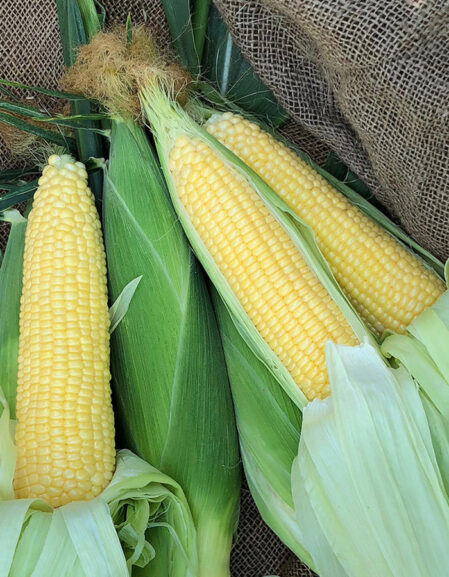 Best for beginnersSweetcorn Incredible F1Sugar-enhanced: sweet, tender and the easiest kind to grow.
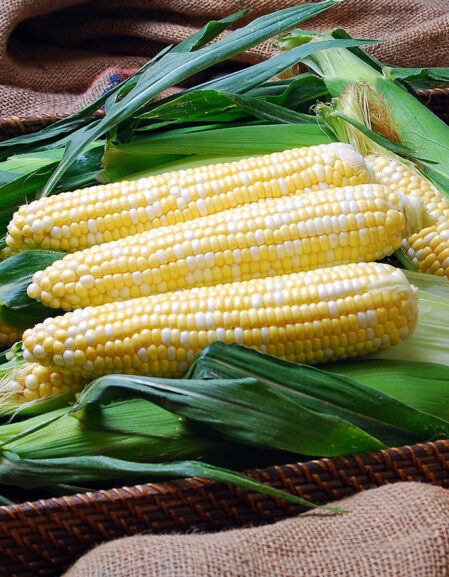 Sweetcorn Solstice F1Augmented supersweet: very sweet and tender. Grow it away from other types.Ready in about 68 days
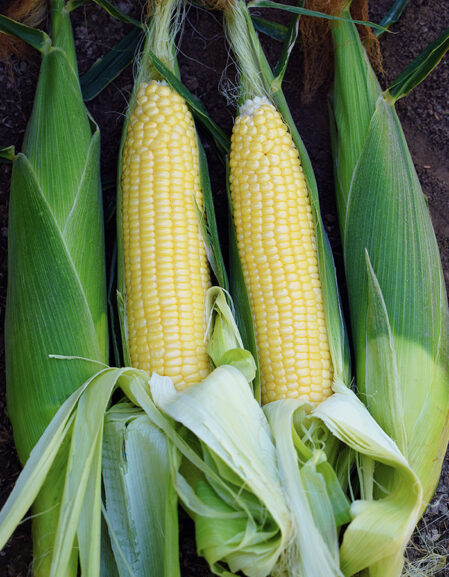 Sweetcorn Bodacious F1Sugar-enhanced: sweet, tender and the easiest kind to grow.Ready in about 75 days
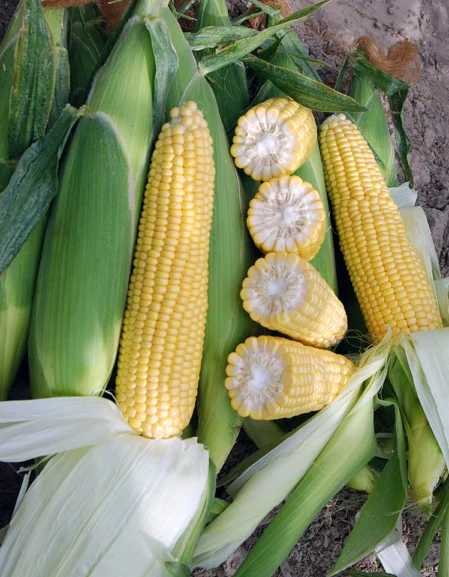 Sweetcorn 'Braveheart' SeedsSupersweet: the sweetest kind. Grow it away from other sweetcorn.Ready in about 105 days
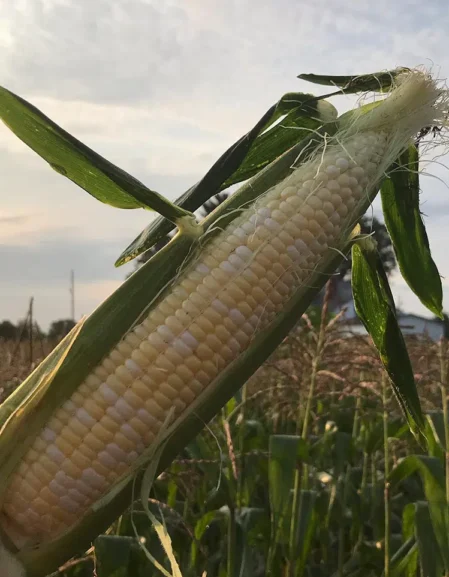 Sweetcorn Ambrosia SeedsSugar-enhanced: sweet, tender and the easiest kind to grow.
Jargon buster
Words explained
- SowTo plant a seed.
- GerminateWhen a seed wakes up and starts to grow.
- SeedlingA young plant with its first few leaves.
- Root trainerA deep, narrow pot that lets roots grow long and straight.
- PropagatorA small covered tray, often heated, that keeps seeds warm while they germinate.
- Harden offGetting plants raised indoors used to outdoor weather, a little more each day.
- Plant outTo move young plants into their final spot in the garden.
- Last frostThe last cold night of spring. In most of the UK it's over by late May; later in the north and on high ground.
- Earthing upPiling soil around the base of a stem to steady it.
- MulchA layer of compost spread on the soil to keep moisture in and weeds down.
- TasselThe feathery flower at the top of a sweetcorn plant. It makes the pollen.
- SilksThe silky threads at the tip of a cob. Each one that catches pollen becomes a kernel.
- F1A variety bred for strong, even, reliable plants. Seed saved from it won't grow true, so buy fresh each year.
If things go wrong
Problems and fixes
The seeds vanished or never came up
Why: Mice and birds love sweetcorn seed, and cold, wet soil stops it growing.
What to do: Sow indoors in pots, and only sow outside once the soil has warmed up in late May or June.
Seedlings are tall, pale and floppy
Why: They're stretching for light, usually because they're too far from a window or were sown too early.
What to do: Move them to your brightest spot and turn the pots every day. Next year, sow a little later.
Cobs have gaps or missing kernels
Why: Not enough pollen reached the silks.
What to do: Plant in a block rather than a row, and tap the stems on still days while the tassels are shedding pollen.
The cobs taste starchy, not sweet
Why: They were picked too late, left too long before cooking, or a supersweet variety was pollinated by a different type nearby.
What to do: Use the milk test, cook straight after picking, and grow supersweet varieties well away from other sweetcorn.
The plants have blown over
Why: Tall sweetcorn catches the wind.
What to do: Earth up the stems, choose a sheltered spot, and plant in a block so the plants hold each other up.
Something has eaten the ripe cobs
Why: Badgers, squirrels and birds like sweetcorn as much as we do.
What to do: Pick promptly once the cobs are ready. Where badgers are a problem, a sturdy fence is the only reliable answer.
Good to know
Questions people ask
When should I sow sweetcorn in the UK?
Indoors from late March to May, with April the easiest month for most people. Outdoors, sow straight into the ground in late May or June, once the soil has warmed up.
Can I grow sweetcorn in pots?
Yes, in a large pot (at least 45cm across) with four or five plants together, so they can pollinate each other. Keep them well watered, as pots dry out fast. It’s easier in the ground if you have the space.
How many cobs will I get from each plant?
Usually one or two good cobs per plant.
Can I grow different varieties together?
Sugar-enhanced varieties are happy together. Keep supersweet varieties (like Braveheart) well away from the others, or grow just one kind; otherwise cross-pollination makes the cobs starchy.
Why do my plants need to be in a block?
Sweetcorn is pollinated by the wind, and pollen only travels a short way. In a block it falls from each plant onto its neighbours’ silks; in a single row most of it blows away.
More about growing sweetcorn
At Grown Local, we’re passionate about helping you achieve gardening success, starting with premium garden products and the finest seeds. In this guide, we’ll walk you through everything you need to know about growing sweetcorn from seed in the UK, spotlighting our top sweetcorn picks and essential gardening tips to ensure a bountiful harvest.
Understanding Sweetcorn Varieties in the UK: The Sweet Spectrum
Sweetcorn comes in several delightful varieties, each with its unique taste and growing needs:
- Standard Sweetcorn: Known for its traditional flavour and texture, this variety is a garden classic. However, it’s best consumed fresh from the garden, as it quickly loses its sweetness.
- Supersweet (sh2): Boasting up to twice the sugar content of standard types, supersweet varieties are a treat for the taste buds. They’re more forgiving in terms of harvest and storage times but require a bit warmer soil for planting.
- Sugar-Enhanced (se): Striking a perfect balance, sugar-enhanced sweetcorn offers enhanced sweetness and a tender bite. It has a slightly longer window for harvest compared to standard varieties.
- Synergistic: The latest in sweetcorn innovation, these varieties blend the best traits of supersweet and sugar-enhanced types, resulting in even higher sugar levels and a tender texture.
Choosing the Right Seeds
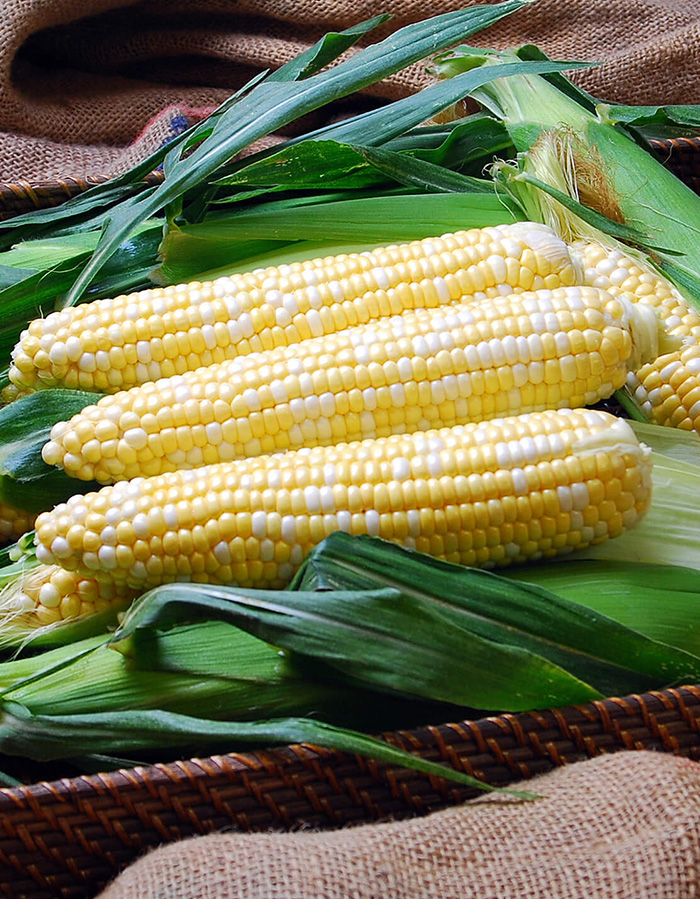
For gardeners eager to experience the best of what sweetcorn can offer, we recommend our “Sweetcorn Incredible F1” and “Sweetcorn Ambrosia Seeds”. These popular varieties stand out for their exceptional flavour and growing performance, available directly from Grown Local.
How to Grow Sweetcorn Successfully
Seed Starting Essentials
Given the UK’s unpredictable spring weather, starting your sweetcorn seeds indoors can give your crops a head start. The Grown Local Deep Root Success Kit is an excellent choice for this, designed to encourage deep, healthy root development that translates to stronger, more resilient plants once transplanted outdoors.
Before planting, enrich your soil with a good feed to ensure your sweetcorn has all the nutrients it needs to thrive. A well-prepared bed will make a significant difference in the growth and health of your plants.
Planting Outdoors

When the risk of frost has passed and soil temperatures warm, it’s time to move your sweetcorn seedlings outside. Choose a sunny spot with well-draining soil, and remember, sweetcorn loves company. Planting in blocks rather than rows encourages better pollination, thanks to the wind carrying pollen between plants. Ensure your sweetcorn gets plenty of water, especially during hot spells, and feed regularly to support growth.
The Importance of Wind in Pollination
Sweetcorn relies heavily on wind for pollination, so your planting strategy should maximise exposure to natural airflows. This ensures each cob is fully pollinated and develops a full set of kernels, critical for that perfect harvest.
Care and Maintenance
Protecting Your Sweetcorn from Pests and Diseases
Growing sweetcorn can be immensely rewarding, but like all garden plants, it faces threats from pests and diseases. Being aware of these challenges and knowing how to manage them can make all the difference in the health and yield of your sweetcorn crop.
Corn Rust and Smut
- Corn Rust is caused by the fungus Puccinia sorghi and appears as reddish to orange pustules on the leaves and stalks. It thrives in warm, moist conditions.
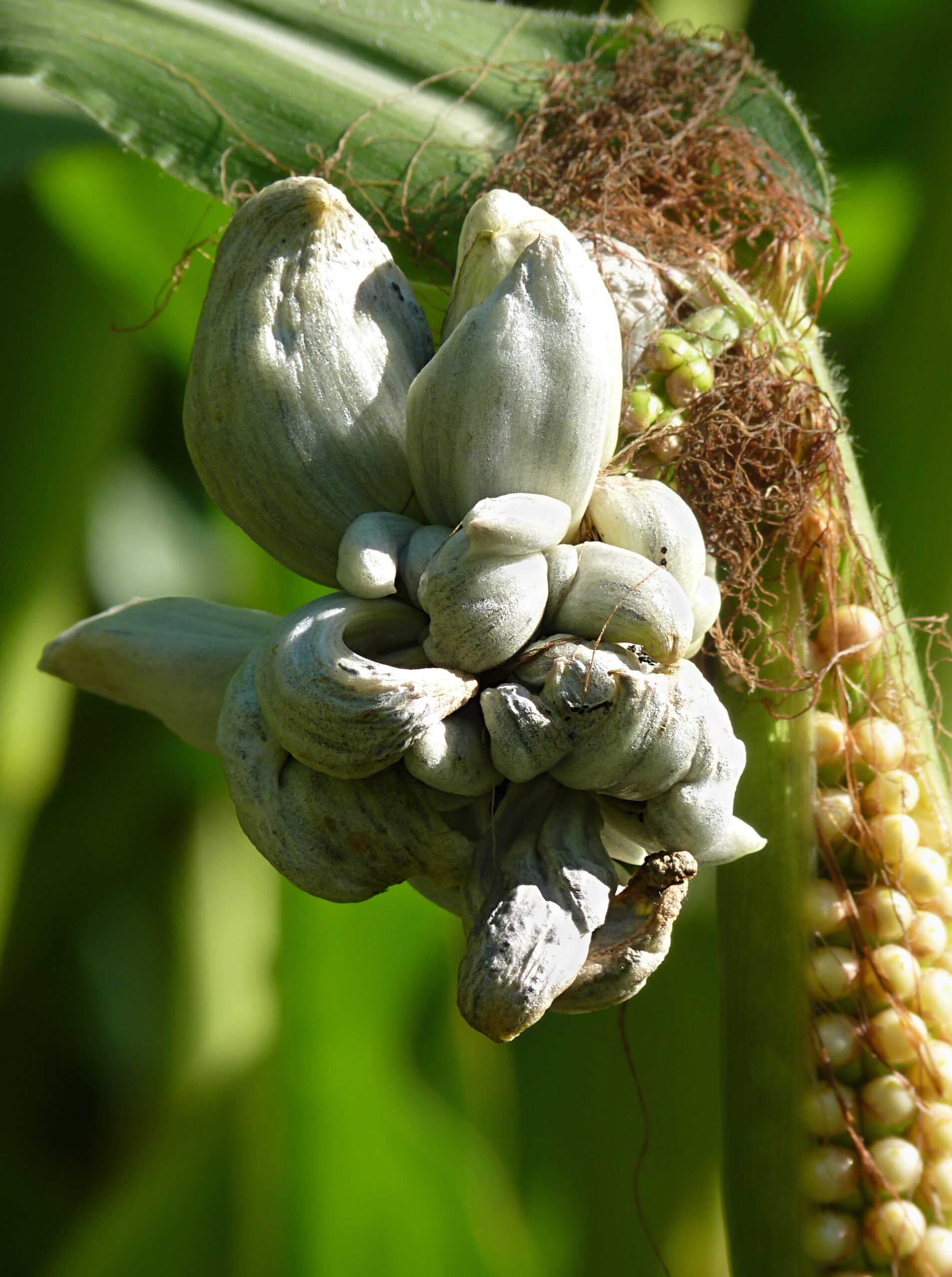
- Corn Smut (Ustilago maydis) creates swollen, grey growths on kernels and plant parts. Interestingly, while researching for this blog post, I learned that corn smut is considered a delicacy in Mexico, known as huitlacoche. It’s prized for its rich, smoky flavour and is used in various traditional dishes, offering a unique gourmet experience.
Common Pests
- Corn Earworms feed on corn ears, burrowing into the kernels.
- Birds may peck at ripening corn. Employ netting or scare tactics to protect your crops.
Prevention and Control
Adopt preventive measures such as crop rotation, maintaining healthy soil, and selecting resistant varieties to reduce risks. Organic controls and encouraging natural predators can also help in maintaining the health of your sweetcorn.
Harvesting Your Sweetcorn
:max_bytes(150000):strip_icc()/onehandgrabscorninstalk-51cedb1b45374053a835ddb010351aab.jpg)
The anticipation builds as your sweetcorn nears harvest. Look for silky tassels turning brown and start to wither, and the kernels are plump, tender, and filled with milky juice when pierced. Gently peel back a portion of the husk to check if it’s ready. Early types may be ready to pick sooner, so keep a close eye on them as the season progresses.
Why Mixing Sweetcorn Types Might Not Be Sweet
While variety is the spice of life, mixing different types of sweetcorn too closely can lead to cross-pollination issues, affecting the sweetness and texture of your corn. I learned this the hard way, diving headfirst with about five different sweetcorn varieties all together, which resulted in a mix of less sweet and oddly textured cobs due to unexpected cross-pollination. Strategic garden planning can help maintain the integrity of each variety’s unique qualities, ensuring they flourish without interfering with each other.
In Conclusion
Growing sweetcorn in the UK is a summer delight that rewards gardeners with fresh, sweet flavours straight from the garden. By choosing the right varieties and providing them with a little care and attention, including feeding the soil before planting and ensuring plants are well-watered and fed during growth, you can enjoy the fruits of your labour by summer’s end. Don’t forget to visit Grown Local for all your vegetable and flower seed needs, where quality and gardening success go hand in hand.
Happy Gardening!
Ready to grow your own sweetcorn?
All our sweetcorn varieties are grown the same way, so pick the one that suits you and get sowing.

About the Author
Iain is a passionate gardener and writer, utilizing AI assistance to overcome the challenges of dyslexia in his work. His mission is to make gardening accessible and enjoyable for everyone, sharing insights and tips through his engaging articles. Iain’s expertise and dedication shine in his efforts to bring the joys of gardening to a wider audience.