
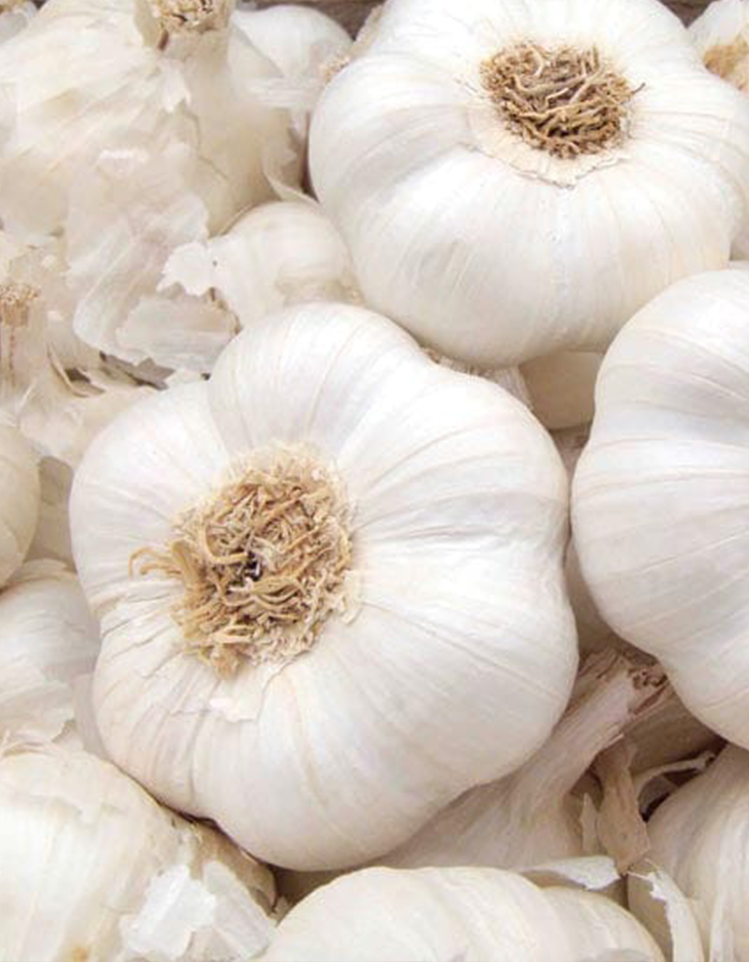
Fancy adding some homegrown flavour to your kitchen? Garlic is a brilliant crop for UK gardeners, offering a rewarding harvest and plenty of culinary possibilities. Let’s dig into the essentials of growing this pungent favourite.
In a nutshell: push single cloves into the ground in autumn, leave them to grow through the winter, and dig up whole new bulbs the following summer. It’s one of the easiest crops there is.
- DifficultyVery easy
- Plant to harvestAbout 8–9 months
- WhereFull sun, soil that drains well
- SpacingCloves 15cm apart, rows 30cm
- What you getEach clove grows a whole bulb
The growing year
When to grow it
Plant out now – until March
- Plant out: September to March
- Harvest: July to August
Before you start
What you'll need
- Seed garlic Not supermarket garlic: it may carry disease, and it's often a variety suited to a warmer climate.
- A sunny spot with soil that drains well Garlic rots in ground that stays wet over winter.
- Garden compost To dig in before planting.
- A trowel or dibber To make a hole for each clove.
- Netting or fleece Optional: to stop birds pulling up newly planted cloves.
Step by step
How to grow garlic
September to October
Choose and prepare your spot
Pick the sunniest spot you have, where the soil drains well after rain. Dig in some garden compost and rake the soil level.
On heavy clay that stays wet, plant on a low ridge of soil or in a raised bed, so the cloves don’t sit in water over winter.
Just before planting
Split the bulb into cloves
Gently break the bulb apart into single cloves, leaving the papery skin on each one.
Plant the biggest, plumpest cloves. Small cloves grow small bulbs, so keep those for the kitchen.
October to December (softnecks until March)
Plant the cloves
Push each clove into the soil with the pointed end up and the flat end (where the roots grow) down, about 5cm deep, so the tip sits 2–3cm below the surface. Space them 15cm apart, in rows 30cm apart.
Autumn planting gives the biggest bulbs: garlic needs a spell of cold weather to split into cloves, and winter provides it.
Tip: If you miss the autumn, softneck varieties can still go in until March, but the bulbs will be smaller.
You'll know it's working when green shoots appear within a few weeks, or by early spring.
The first few weeks
Keep the birds off
Birds love to pull newly planted cloves out of the ground. Cover the bed with netting or fleece until the cloves have rooted and the shoots are up.
If a clove does get pulled up, just push it back in.
Winter to early summer
Weed and water
Garlic hates competition, so keep the bed free of weeds.
Water in dry spells in spring, when the bulbs are growing fastest. Stop watering in June, once the bulbs start to ripen.
You'll know it's working when the leaves stay green and upright through the spring.
May to June (hardnecks only)
Snap off the flower stalks
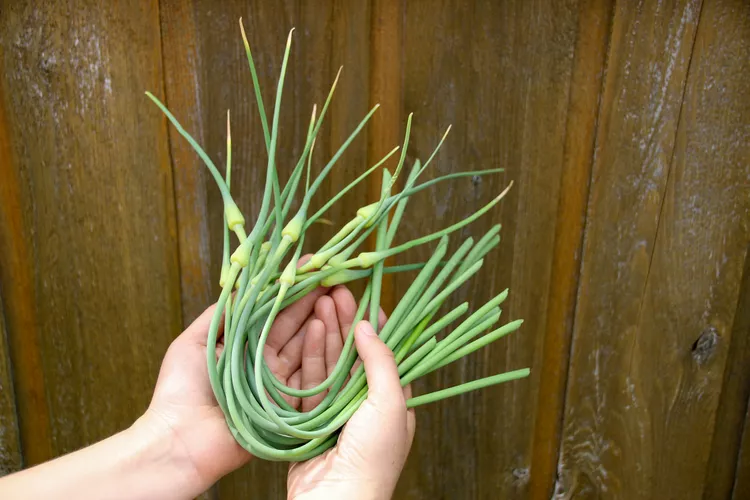
Hardneck varieties send up a curly flower stalk, called a scape, in early summer. Snap it off once it curls, so the plant puts its energy into the bulb.
Don’t throw the scapes away: they taste of mild garlic and are delicious stir-fried or blended into pesto. Softneck varieties usually don’t make them.
June to August
Lift your bulbs
Your garlic is ready when the lower third to half of the leaves have turned yellow and brown, while the top leaves are still green.
Loosen the soil with a fork and lift the bulbs gently. Don’t pull them up by their leaves.
Tip: Don’t leave them in the ground too long: the cloves start to separate and the bulbs don’t keep as well.
You'll know it's working when you lift a fat bulb with the cloves showing under the skin.
After lifting
Dry and store
Lay the bulbs out in the sun, or hang them somewhere dry and airy, for two to four weeks until the skins are papery and the necks are dry. This is called curing.
Trim off the roots and store your garlic somewhere cool, dry and airy. Softnecks keep the longest, and their soft stems can be plaited.
You'll know it's working when the outer skins are dry and papery and crackle when you touch them.
Choosing what to grow
Which variety should I grow?
- SoftneckEasy and reliable, with lots of cloves per bulb, and it keeps the longest (often into spring). It rarely sends up a flower stalk, and its soft stems can be plaited. The best choice for a first go.
- HardneckFewer, bigger cloves that are easy to peel, and a stronger flavour. It sends up an edible flower stalk (a scape) in early summer, and keeps for a few months rather than all winter.
- Elephant garlicNot true garlic but a close relative of the leek, with huge, mild cloves. Grow it in just the same way.
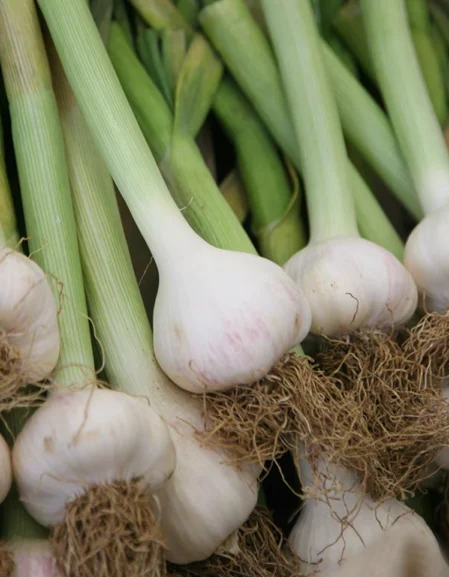 Best for beginnersGarlic Solent Wight Seed (Softneck)Softneck: plenty of cloves, and it keeps the longest.
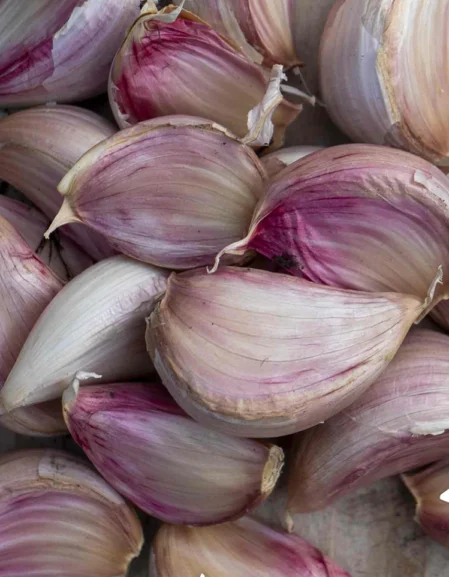 Garlic Carcassonne Seed (Hardneck)Hardneck: big cloves, a strong flavour and edible flower stalks.
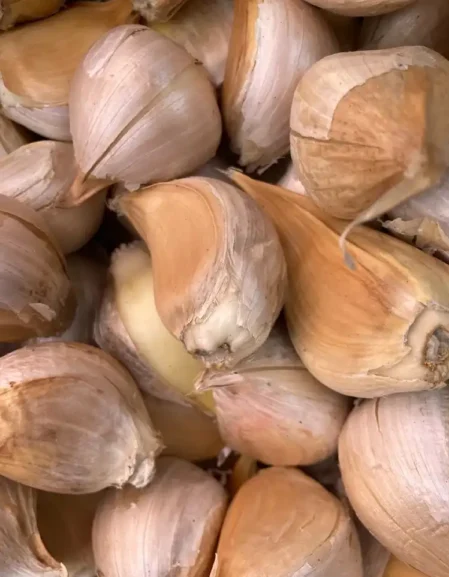 Elephant Garlic Seed (Allium ampeloprasum)Experience the delight of growing your own Elephant Garlic!
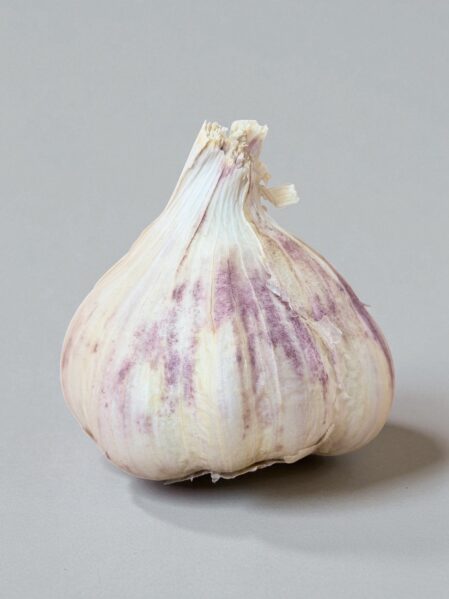 Garlic Rhapsody Wight Seed (Softneck)Softneck: plenty of cloves, and it keeps the longest.
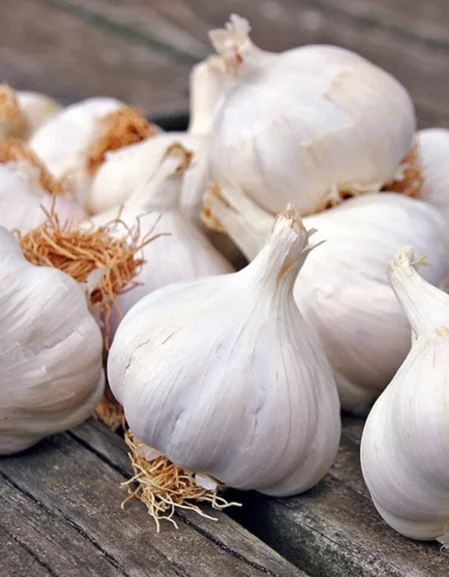 Garlic Mersley Wight Seed (Softneck)Softneck: plenty of cloves, and it keeps the longest.
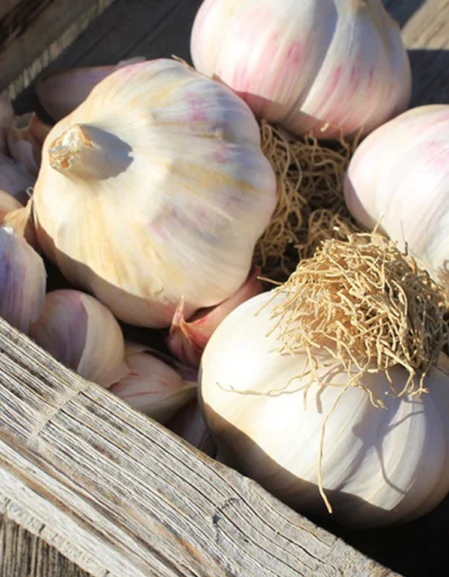 Mixed Garlic Cloves 8 ClovesHardneck: big cloves, a strong flavour and edible flower stalks.
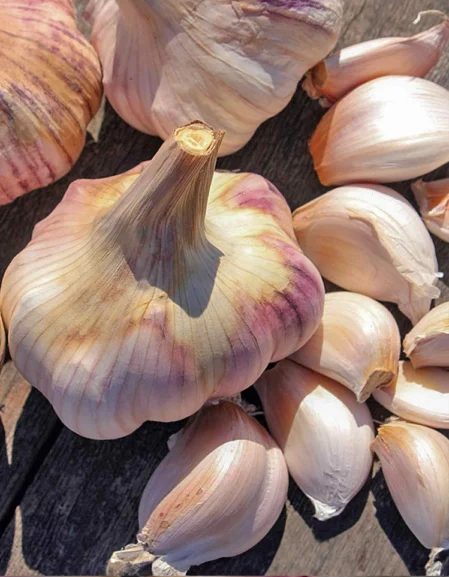 Garlic Rose Wight Seed (Hardneck)Hardneck: big cloves, a strong flavour and edible flower stalks.
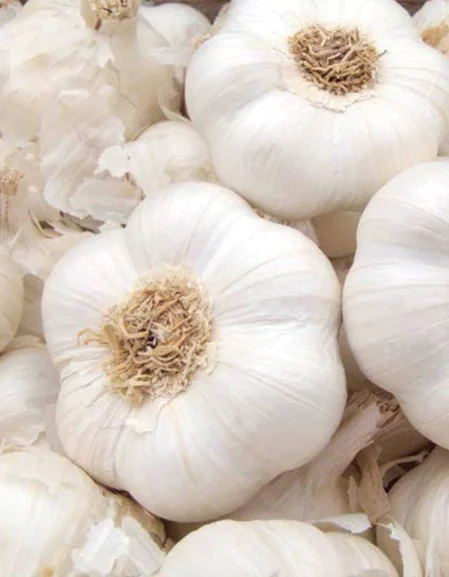 Garlic Provence Wight Seed (Softneck)Softneck: plenty of cloves, and it keeps the longest.
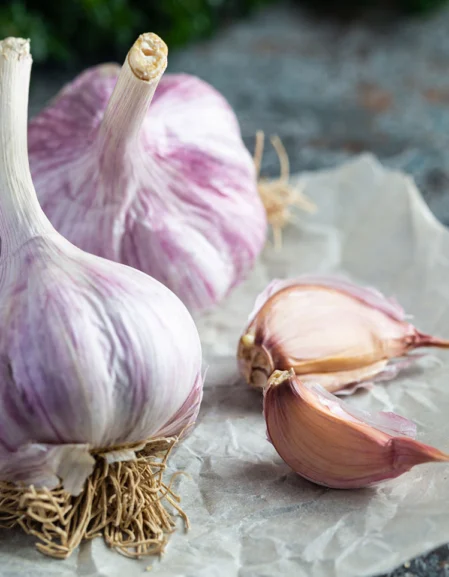 Garlic Caulk Wight Seed (Hardneck)Hardneck: big cloves, a strong flavour and edible flower stalks.
- Garlic Kingsland Wight Seed (Hardneck)Hardneck: big cloves, a strong flavour and edible flower stalks.
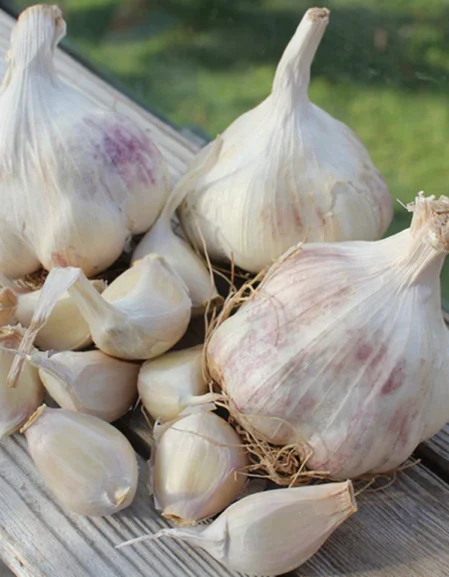 Garlic Maddock Wight Seed (Softneck)Softneck: plenty of cloves, and it keeps the longest.
Jargon buster
Words explained
- CloveOne segment of a garlic bulb. Each clove you plant grows into a whole new bulb.
- BulbThe whole head of garlic, made up of cloves.
- Seed garlicBulbs grown for planting and checked to be healthy. Garlic is grown from cloves, not seeds.
- SoftneckA garlic with a soft stem and lots of cloves, which keeps well.
- HardneckA garlic with a stiff stem and fewer, bigger cloves, which sends up a flower stalk.
- ScapeThe curly flower stalk of a hardneck garlic. Snap it off and eat it.
- Free-draining soilSoil that doesn't stay waterlogged after rain.
- CuringDrying bulbs after harvest so they keep for months.
- RustA fungus that leaves orange spots on the leaves.
- BoltingWhen a plant flowers early, often after stress. The bulb is still fine to eat.
If things go wrong
Problems and fixes
Orange spots on the leaves
Why: Rust, a fungus that's common in damp, mild weather.
What to do: Give plants space so air can move between them, and pull off the worst leaves. It rarely harms the bulbs, which are still fine to eat.
One round bulb with no cloves
Why: The plant didn't get enough cold, usually because it went in late or the winter was mild.
What to do: Plant in the autumn next time. A round bulb is still good to eat.
The cloves rotted in the ground
Why: The soil stayed too wet over winter.
What to do: Plant on a ridge or in a raised bed, and dig in compost to help the soil drain.
Birds pulled the cloves out
Why: Birds are curious about anything newly planted.
What to do: Cover the bed with netting or fleece until the shoots are up, and push any stray cloves back in.
The bulbs are small
Why: Small cloves were planted, the bed was weedy, the spring was dry, or the spot was too shady.
What to do: Plant the biggest cloves in full sun, keep the weeds down, and water in dry spells in spring.
Yellow, dying plants with white fluff at the base
Why: White rot, a fungus in the soil that attacks garlic and onions.
What to do: Lift and throw away (don't compost) any affected plants, and don't grow garlic or onions in that spot for several years.
Good to know
Questions people ask
Can I plant garlic from the supermarket?
It’s best not to. It may carry virus or disease, it’s often a variety grown for a warmer climate, and some is treated to stop it sprouting. Seed garlic is grown for planting and suits our weather.
When is the best time to plant garlic in the UK?
October to December is ideal, because garlic needs a cold spell to split into cloves. Softneck varieties can also go in from January to March, though the bulbs will be smaller.
Can I grow garlic in pots?
Yes. Use a pot at least 20cm deep with drainage holes, fill it with multi-purpose compost mixed with a little grit, and plant three or four cloves in a 30cm pot. Keep it out of the worst of the winter wet.
How many bulbs will I get?
One from every clove you plant, so a bulb of ten cloves gives you about ten new bulbs.
What can I do with the scapes?
Eat them. They taste of mild garlic: chop them into stir-fries and omelettes, or blend them into pesto.
More about growing garlic
Getting Started
Garlic is surprisingly easy to grow in the UK. Whether you’ve got a spacious allotment or just a few pots on a balcony, you can cultivate your own garlic with a bit of know-how.
Choosing Your Garlic
There are two main types of garlic: hardneck and softneck. Hardneck varieties tend to be hardier and better suited to colder regions, while softneck types are generally easier to grow and store well. At Grown Local, we offer a range of both types to suit different growing conditions.
When selecting garlic, always opt for certified garlic seeds. These are disease-free and bred for UK conditions, giving you the best chance of success. While it might be tempting to plant supermarket garlic, it’s often treated to prevent sprouting and may carry diseases.
Popular Varieties
At Grown Local, we offer several popular garlic varieties. For softneck types, try Provence Wight, known for its excellent flavour and storage ability. If you prefer hardneck varieties, Carcassonne Wight is a great choice with its purple-streaked bulbs and robust taste.
For those looking for something a bit different, we also stock Elephant garlic. Despite its name, elephant garlic is actually more closely related to leeks than true garlic. It produces massive bulbs with a milder, sweeter flavour than regular garlic. It’s perfect for roasting or using raw in salads.
Planting Time
In the UK, autumn is the prime time for planting garlic. You can plant from October to December, but earlier is generally better. Planting in October or November gives the plants ample time to establish strong roots before the frost sets in. However, don’t worry if you’re a bit late – garlic is quite forgiving. If you missed the autumn window entirely, you can still plant in early spring, though your harvest might be a bit smaller.
The Role of Frost
Frost plays an interesting role in garlic growth. The cold temperatures actually help to split the planted clove into separate cloves, forming the familiar bulb structure we know and love. This process, known as vernalization, is crucial for many garlic varieties.
However, if you live in an area with mild winters or plant later in the season, don’t fret if your garlic bulb doesn’t split into multiple cloves. Even unsplit garlic bulbs are perfectly usable and often have a delightful, intense flavour. They’re great for roasting whole or using in dishes where you’d typically use multiple cloves.
Getting Your Hands Dirty
Garlic loves well-drained soil in a sunny spot. If you’re working with heavy clay, consider raised beds or pots. Speaking of pots, they’re a great option for garlic, especially if you’re short on space.
To plant, break the bulb into individual cloves and plant them pointy end up, about 5cm deep and 15cm apart. Water them in well, and then let nature do its work.
The Growing Process
Garlic is a patient plant’s game. From planting to harvest, it typically takes around 8-9 months. You’ll see green shoots appear fairly quickly, but the real magic happens underground.
Throughout the growing season, keep the soil moist but not waterlogged. In late spring, hardneck varieties will produce curly flower stalks called scapes – these are a delicious bonus crop!
Watch Out for Garlic Diseases
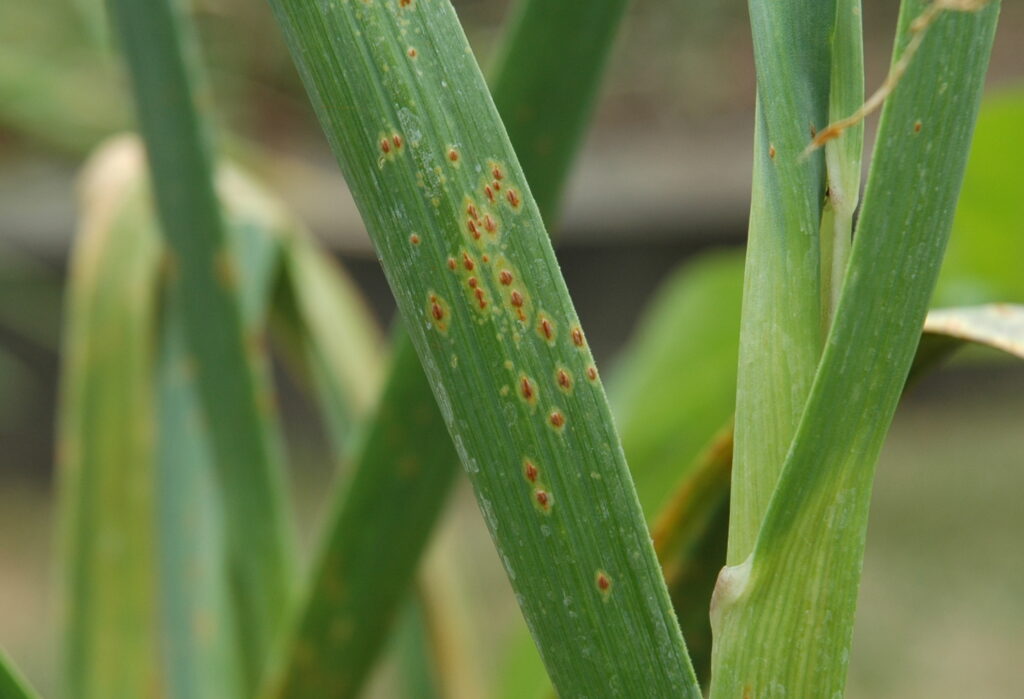
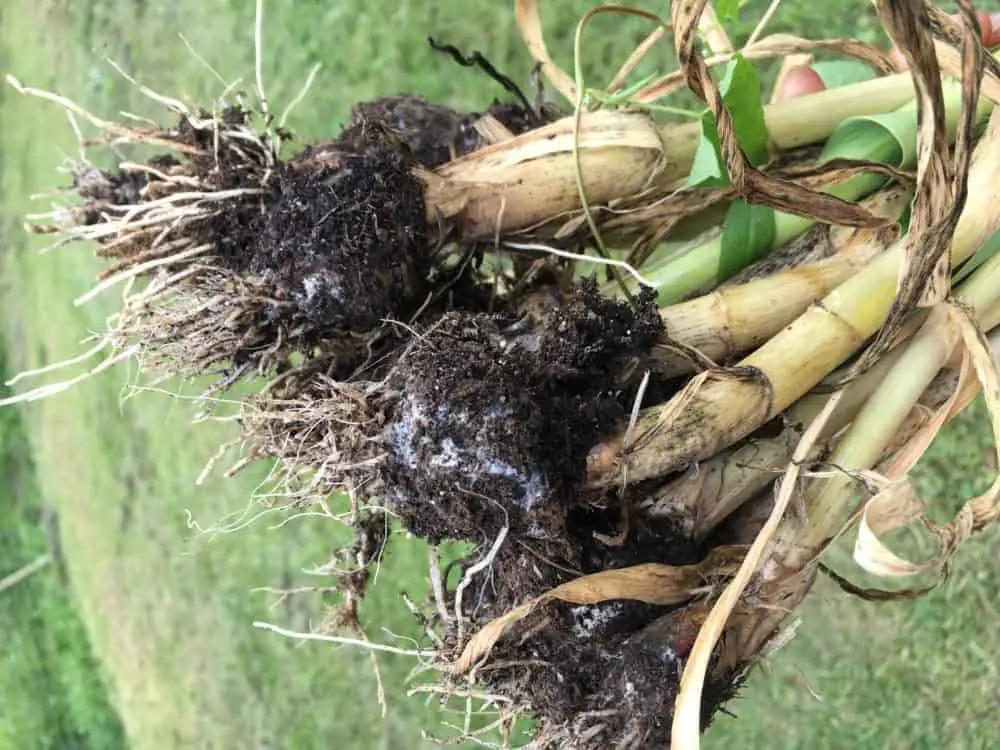
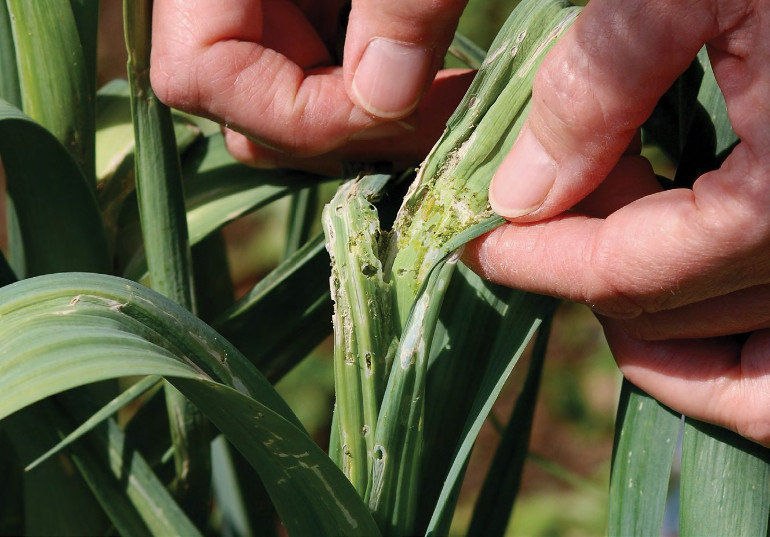
Like any crop, garlic can fall victim to certain diseases. One of the most common in the UK is rust, a fungal infection that appears as orange spots on the leaves. If you spot rust, remove affected leaves promptly to prevent spread. Other issues to watch for include white rot, which causes yellowing leaves and rotting bulbs, and leek moth, whose caterpillars can damage leaves and bulbs. Good garden hygiene, crop rotation, and proper spacing can help prevent many of these problems. If you’re concerned about disease, look for resistant varieties when selecting your garlic seeds.
Harvesting Your Garlic
Come summer, when the leaves start to yellow and wilt, it’s harvest time. Gently lift the bulbs, shake off excess soil, and let them cure in a dry, airy spot for a couple of weeks.
A Note on “Garlic Seeds”
Here’s a bit of garlic trivia: what we call “garlic seeds” are actually cloves. True garlic seeds are rare and tricky to grow from. So when you’re buying garlic for planting, you’re really after good quality bulbs to separate into cloves.
Final Thoughts
Growing garlic is a satisfying endeavour for any UK gardener. It’s relatively low-maintenance, pest-resistant, and yields a crop that’s leagues ahead of anything you’ll find in the shops.
At Grown Local, we’re excited to offer a variety of garlic seeds (well, bulbs!) for autumn planting. Our range, is available to pre-order now including the unique elephant garlic, for delivery from October, just in time for the ideal planting window. Whether you’re a seasoned garlic grower or a curious beginner, we’ve got the perfect variety for you.
So why not give it a go? There’s nothing quite like the satisfaction of adding your own home-grown garlic to a dish. Happy planting!
Ready to plant your garlic?
Our seed garlic is chosen to do well in UK gardens. Order now and plant it this autumn.
Hi
Are the cloves supplied by The Garlic Farm (IOW)?
It sure is 🙂