
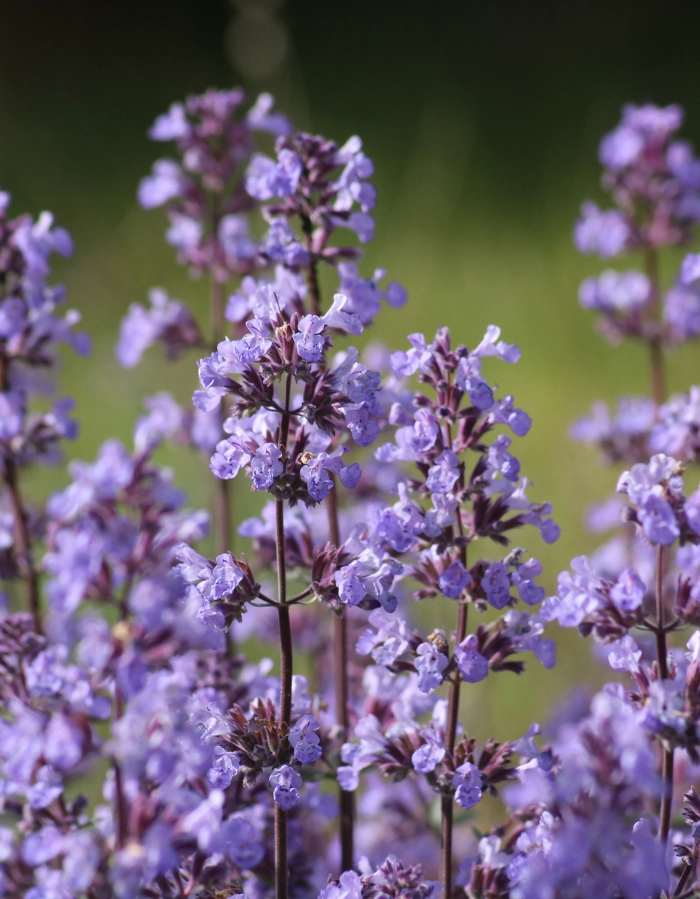
 Good for pollinators
Catnep Lemon Seeds
Nepeta cataria ‘Citriodora’
£1.39
In stock
Free delivery on small seed packets when you spend £20 on seeds, otherwise £3.50 tracked.
Catnep Lemon is a fragrant herb with citrus-flavoured leaves, pollinator-friendly flowers, and multiple culinary, herbal, and wildlife uses.
Average Packet Contents: 100 Seeds
Next: sow under cover from January See the growing calendar
When to grow it
- Sow under cover: January to August
- Direct sow: April to June
- Plant out: May to June
- Flowering: June to September
- Harvest: June to September
Grow Catnep Lemon – A Fragrant Multi-Purpose Herb for Tea and Pollinators
Catnep Lemon is a highly versatile herb, appreciated for its refreshing citrus scent and delicate soft green leaves. While often grouped with other catnips, this variety is better known for its culinary and herbal uses than for attracting cats. It’s a favourite for making soothing herbal teas and adds a gentle lemon flavour to salads and desserts. In summer, clusters of small pale flowers bloom, offering a valuable nectar source for bees, butterflies, and other pollinators.
Catnep Lemon also has a place in wildflower planting schemes, combining ornamental beauty with benefits to wildlife.
Growing Catnep Lemon
Catnep Lemon grows best in full sun to partial shade and prefers well-drained soil. It is suitable for herb beds, borders, containers, or wildflower areas.
Sowing and Planting
Sowing Period: Sow seeds indoors from February to April or directly outdoors from April to June.
Soil Preparation: Prepare a fine, well-drained seedbed, removing any stones or debris.
Sowing Depth: Sow seeds 0.5 cm deep into moist soil.
Spacing: Sow thinly and thin seedlings to 15 cm apart once established.
Germination: Expect seedlings to emerge within 7–14 days in warm conditions.
Care and Maintenance
Watering: Keep the soil consistently moist during establishment. Once established, water moderately.
Weeding: Keep the area free of weeds to reduce competition for nutrients.
Thinning/Dividing: Divide plants every 3–4 years if required to maintain plant vigour.
Picking
Timing: Begin picking leaves once plants are well established, usually from early summer.
Method: Use scissors to snip leaves as needed, which will also encourage fresh growth.
Storage: Leaves can be used fresh or dried for later use.
Culinary, Herbal, and Garden Uses
Catnep Lemon offers a refreshing lemon flavour and a wide range of uses:
- Herbal teas: Leaves brew into a soothing lemon-flavoured tea, often used to support relaxation and digestion.
- Salads and desserts: Young leaves add citrus notes to salads and desserts.
- Wildflower gardens: An attractive addition that supports bees, butterflies, and other beneficial insects.
- Vitamin content: Contains small amounts of vitamins A and C, contributing to general wellness.
- Traditional uses: Historically valued for its calming properties and mild natural insect-repelling abilities.
- General garden interest: Its light, airy flowers blend beautifully in mixed planting schemes.
Reviews
Only customers who've bought this can review it: log in to write yours.


Great service and quality product
Melanie Summerson Verified buyer