
 Good for pollinators
Thyme Seeds
Thymus vulgaris
£1.29
In stock
Free delivery on small seed packets when you spend £20 on seeds, otherwise £3.50 tracked.
Common thyme is a hardy, low-growing evergreen herb with small aromatic leaves for cooking and tiny pink or white summer flowers.
Average Packet Contents: 500 Seeds or 0.1g
Next: sow under cover from March See the growing calendar
When to grow it
- Sow under cover: March to April
- Plant out: April to June
- Flowering: June to July
- Harvest: all year
Why grow thyme from seed?
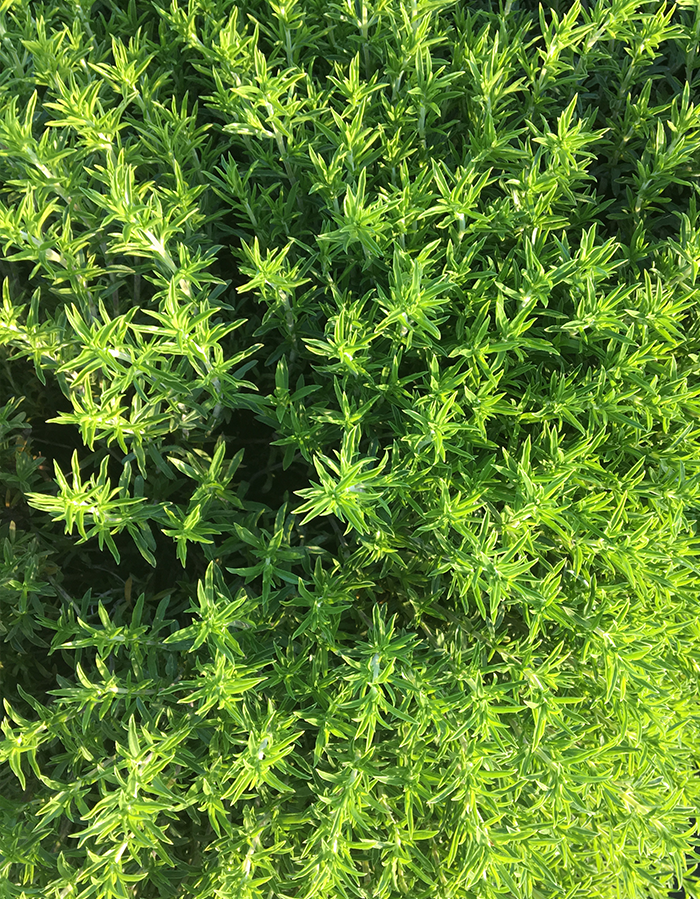
Common thyme (Thymus vulgaris) is a compact, bushy evergreen with small, dark grey-green, aromatic leaves: the everyday thyme for cooking. It makes a low mound, usually 20–30cm tall and a little wider. In early summer it carries spikes of tiny pink or white flowers, rich in nectar, which bees and other pollinators visit. It’s hardy in gardens across the UK.
A packet gives you plenty of plants for edging a path or bed, a herb garden or a few pots. Seed-raised plants usually take about a year to establish before you can pick much.
Where does thyme grow well?
Give it a warm, sunny spot with light, free-draining soil. It’s waterlogged roots in winter that usually kill thyme rather than the cold, so on heavy or damp ground grow it in a raised bed or containers. A pot at least 15cm wide and 10cm deep is enough, with plenty of drainage holes and peat-free soil-based compost mixed with up to a quarter grit. A layer of grit or gravel around the plants keeps the foliage off damp soil and helps keep the weeds down.
When and how do you sow thyme?
Sowing period: Sow indoors in spring.
Method: Scatter the seed thinly over moist seed compost in small pots or modules. Don’t cover it.
Germination: Somewhere warm and bright, at 15–20°C, seedlings usually appear within a couple of weeks.
Watering: Water regularly but don’t overdo it, as the seedlings are prone to damping off.
Pricking out: Once they have several leaves, move them into individual 7.5cm pots.
Planting out: Harden the plants off and plant them out from mid-spring to early summer, once they’re well rooted, 20–30cm apart.
How do you look after it?
Watering: Thyme copes well with dry weather and rarely needs watering, except just after planting or in pots in hot spells.
Trimming: Trim lightly after flowering to keep the plants compact, and avoid cutting hard into old wood.
Winter: In wet areas a cloche keeps the worst of the rain off; move pots somewhere sheltered.
Renewing: After several years the plants get straggly, so replace them from cuttings, by layering or from a fresh sowing.
Pests: Slugs and snails may eat young shoots, and rosemary beetles and sage leafhoppers sometimes damage the leaves, usually not badly.
When and how do you pick thyme?
Timing: Once established you can pick all year, though the soft new growth in late spring and summer has the fuller flavour.
Method: Snip young shoots as you need them. Regular picking keeps the plants bushy.
Storage: Hang sprigs somewhere warm, dark and airy for a few weeks, then strip the dry leaves into an airtight jar.
How can you use it?
Thyme keeps its flavour through long cooking, which makes it useful in:
- Slow cooking: Stews, casseroles, stocks and soups.
- Roasts: With chicken, lamb and roast vegetables.
- Bouquet garni: Tied with parsley and a bay leaf.
- Flowers: They taste like the leaves; scatter them over salads.
Reviews
No reviews yet.