
Swiss Chard Peppermint Seeds
Beta vulgaris ‘Peppermint’
£1.65
In stock
Free delivery on small seed packets when you spend £20 on seeds, otherwise £3.50 tracked.
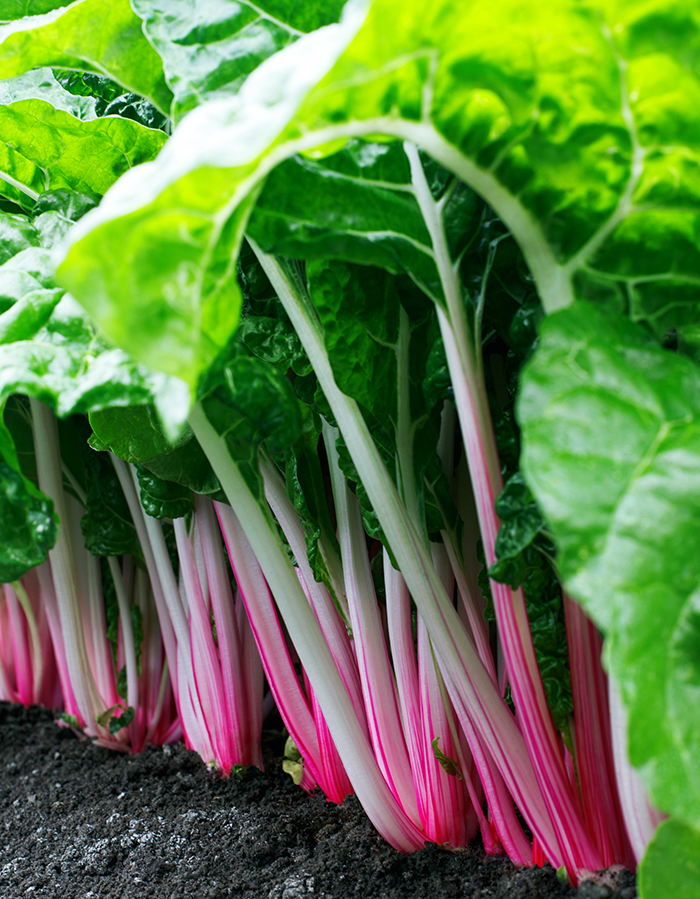
Swiss Chard Peppermint is a two-tone Swiss chard. Its stalks are pink at the edges and pale to white through the middle, under deep green, crinkled leaves. It’s grown and picked like any chard: take a few outer leaves at a time and the plant keeps making more, so a short row goes a long way. Coloured chards taste much like green ones, so you’re choosing this one for how it looks, on the plate and in the garden, where it’s as much at home in a flower border as in the veg patch.
- Two-tone stalks: Pink fading to white, under dark green, crinkled leaves.
- Cut and come again: Pick the outer leaves and the centre keeps growing.
- Long picking season: Usually ready 8 to 12 weeks after sowing, with the main picking from July to October.
- Undemanding: Weeding while it’s young and watering in long dry spells are usually all it needs.
Average packet contents: 75 Seeds
Next: sow under cover from March See the growing calendar
When to grow it
- Sow under cover: March to April
- Direct sow: April to July
- Plant out: April to May
- Harvest: July to October
What is Swiss Chard Peppermint like?
Swiss Chard Peppermint (Beta vulgaris) is a Swiss chard with stalks that are pink along their edges and fade to white in the middle, topped with deep green, crinkled leaves. It’s a cut-and-come-again crop, so rather than lifting the whole plant you pick a few leaves at a time and leave it to grow more. The flavour is much like any other chard; the difference is the colour, which brightens a plate of greens and looks just as much at home among flowers as in a vegetable bed.
When should you sow chard?
Chard likes full sun, or a little shade in summer, and rich soil that holds moisture but drains freely, so fork in plenty of garden compost before you sow. You can sow outdoors where the plants are to grow from April to July. Sow thinly, 1.5–2.5cm deep. If you’d like an earlier start, sow indoors in early spring in modules of seed compost, one or two seeds to each, and thin to the strongest seedling if both come up. Harden the young plants off and plant them out once they’re well rooted and at least 5cm tall.
Two sowings, one in April and another in July, usually keep you picking for much of the year. A sowing made after midsummer will often carry on cropping until the following spring.
How far apart should the plants be?
- For full-sized plants: Thin the seedlings to 25–30cm apart.
- For baby salad leaves: Thin to about 5cm apart, and sow a small batch every few weeks from March to August.
- In containers: Use a pot at least 40cm wide and deep, filled with peat-free multi-purpose compost, and water it regularly, as pots dry out quickly.
How do you look after it?
Water young plants regularly until they’re established and keep them weeded, especially while they’re small. Mature plants cope with dry weather, but you’ll get better leaves if you water them in long dry spells. In a reasonably fertile soil it shouldn’t need feeding.
Slugs and snails are the main pests, particularly in damp weather, and birds sometimes go for the seedlings. Leaf miners can mark the leaves; just pick off any that are affected. Downy mildew and grey mould are likelier where plants are crowded and damp, so give them room.
In hot weather some plants may start to flower. Snap off the flower stems to keep the leaves coming. Once flowering is well under way the plant stops being productive, though with stalks this colour you might leave it in place for the look of it.
When can you start picking?
Leaves are usually ready 8 to 12 weeks after sowing, and the main picking runs from July to October. Pick the outer leaves at the base of the stalk and leave the centre to grow on. Young leaves up to about 5cm long can go raw into salads; larger ones cook like spinach. Once a plant is at least 20cm tall you can also cut the whole thing back, leaving about 5cm above the base, and it’ll grow again.
Will it survive the winter?
Chard is hardy and will usually come through a UK winter outdoors without protection, though it stops growing in the cold. White-stemmed chards tend to be tougher than coloured ones, so in a cold or exposed garden a cloche over a coloured type like this one is worth having. A cloche will also give you a few leaves in mild spells and a quicker start in spring.
The Grown Local Verdict “Swiss Chard Peppermint suits anyone who’d like one crop that works in the kitchen and in the garden. You get leaves over a long season and pink-and-white stalks that look at home in a border. Sow in spring, sow again in July, keep the slugs off, and it’ll usually keep you in greens for much of the year.”
Reviews
No reviews yet.