
Papaver rhoeas Pandora Seeds
Papaver rhoeas ‘Pandora’
£1.49
In stock
Free delivery on small seed packets when you spend £20 on seeds, otherwise £3.50 tracked.
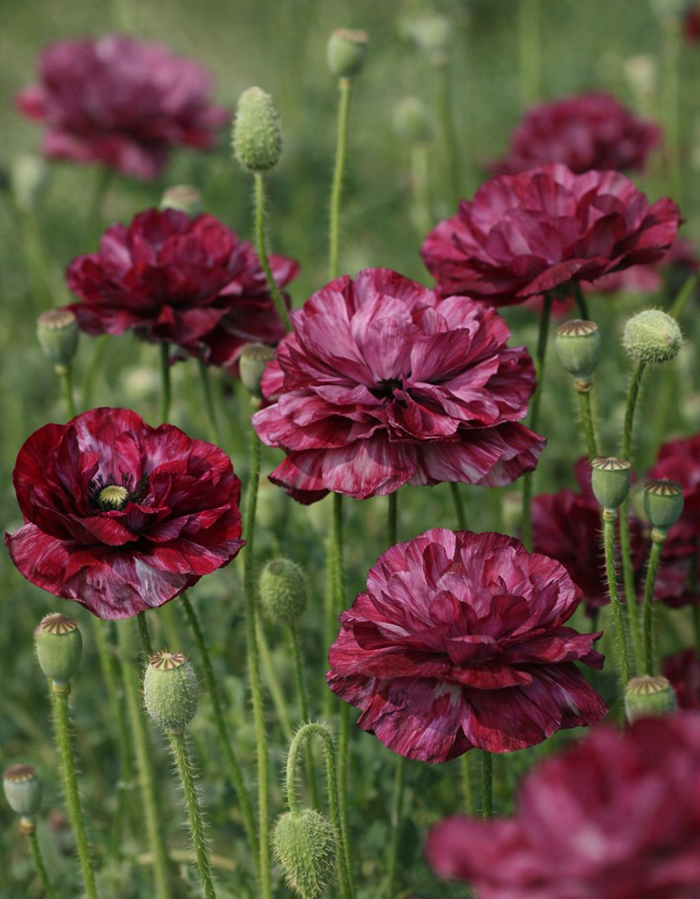
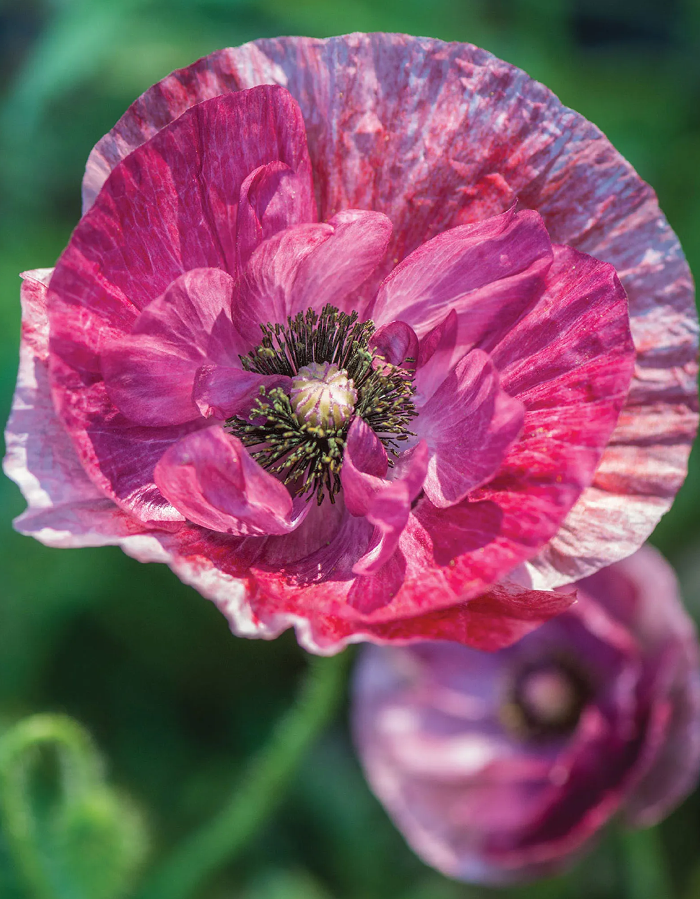
Papaver rhoeas Pandora is a sophisticated selection of the Shirley Poppy, offering a textured, “antique” look that stands out from common field varieties. It produces a mix of semi-double and double blooms in a moody colour palette of deep claret, wine-red, and dusky rose, often marked with distinctive silvery-white stripes. Reaching 60cm, it is a hardy, reliable performer that provides a vital late-spring pollen source while bringing a romantic, ruffled aesthetic to sunny borders.
- Flower Form: Semi-double to double “tissue-paper” ruffles.
- Pollinator Friendly: RHS certified; despite the double petals, bees can easily access the pollen.
- Self-Seeding: Will naturally drop seed to return in subsequent years with subtle colour variations.
- Hardiness: Fully Hardy Annual (HA) – thrives when sown in autumn or spring.
Average packet contents: 500 seeds
Last month to direct sow See the growing calendar
When to grow it
- Direct sow: March to May and August to October
- Flowering: May to September
Papaver rhoeas Pandora: A Moody Masterpiece for the Pollinator Garden
Papaver rhoeas Pandora (the Shirley Poppy) brings a designer edge to the ease of a traditional wildflower. This variety is prized for its ruffled, semi-double flowers that look like pleated silk. The colour is its most famous trait—a shifting mix of deep burgundy and plum that fades into smoky rose and silver. Because it is a stable selection of our native field poppy, it possesses the same “grit” and vigour, allowing it to thrive in most UK garden soils without the need for intensive care.
Sowing for Success: Surface Sowing and Light
The most common mistake with Papaver rhoeas Pandora is burying the seeds. Like all poppies, these seeds are photoblastic, meaning they require light to trigger germination.
- Direct Sowing: Sow from March to May for a summer display. For larger, earlier-flowering plants, sow in September. Poppies sown in autumn develop deep taproots over winter, leading to much sturdier stems.
- Method: Prepare a weed-free seedbed to a fine tilth. Scatter the seeds thinly on the surface and press them into the soil with your hand or a flat board. Do not cover them with compost or soil.
- Thinning: Once seedlings appear, thin them to 20cm apart. Poppies genuinely “sulk” if their roots are disturbed, so avoid transplanting them once they have established.
Wildlife Value and Self-Seeding Habit
While “double” flowers can sometimes be a barrier to insects, Papaver rhoeas Pandora is an exception. The petals are loosely arranged enough that honeybees and bumblebees can easily reach the central stamens to collect the dark, protein-rich pollen.
One of the greatest joys of growing Pandora is its ability to self-seed. If you leave the architectural seed heads to dry on the plant, they will eventually “pepperpot” their seeds across the garden. In following years, you will see new plants emerge. While most will remain true to the original burgundy tones, you may see some interesting natural variations, creating an ever-evolving, naturalised look in your borders.
Harvesting for the Vase
To enjoy Papaver rhoeas Pandora as a cut flower, timing is everything. You must cut the stems at the “cracked bud” stage—just as the green casing splits to reveal a hint of colour inside.
- The Searing Trick: Immediately after cutting, dip the bottom 2cm of the stems into boiling water for 10 seconds. This seals the milky sap and prevents it from clogging the stem, ensuring the flower can take up water. This simple step is the difference between a poppy that wilts in an hour and one that lasts 2–3 days in a vase.
Why Choose These Seeds?
Papaver rhoeas Pandora is the perfect middle ground for gardeners who want the reliability of a wildflower but the aesthetic of a specialist florist’s bloom. It is a low-maintenance, high-impact annual that rewards the gardener with weeks of sophisticated colour and provides a genuine boost to local pollinator populations.
The Grown Local Verdict “Papaver rhoeas Pandora is a firm favourite for a reason. It is as easy to grow as any common poppy but offers a double-ruffled, moody look that feels far more exclusive. If you want a garden that looks like a Dutch Master’s painting and buzzes with bees, this is a very sensible and rewarding choice.”
Reviews
No reviews yet.