
Chicory Brussels Witloof Seeds
Cichorium intybus ‘Brussels Witloof’
£1.29
In stock
Free delivery on small seed packets when you spend £20 on seeds, otherwise £3.50 tracked.
Chicory Brussels Witloof Seeds – grow your own chicons for winter salads and cooking. Includes edible greens and roots, perfect for a rewarding growing experience.
Next: direct sow from May See the growing calendar
When to grow it
- Direct sow: May to June
- Harvest: November to March
Enjoy Fresh Chicons with Chicory Brussels Witloof Seeds
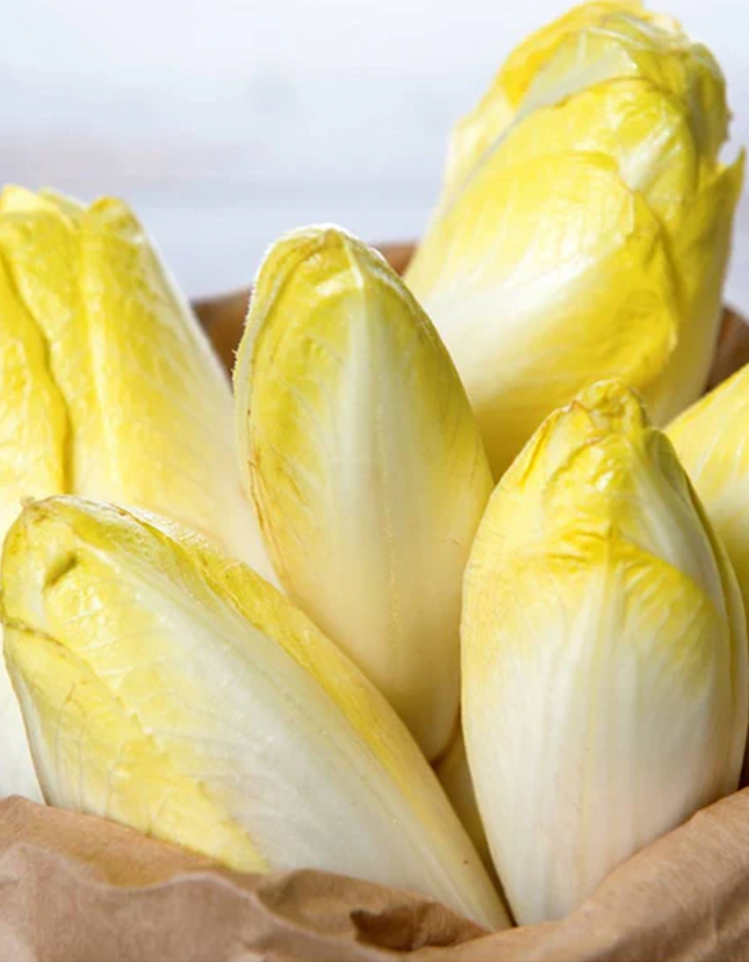
Chicory Brussels Witloof, also known as Belgian endive, witloof chicory, or chicorée de Bruxelles in French, is a fascinating vegetable prized for its tightly packed, pale shoots called ‘chicons.’ In Italy, it is often referred to as “radicchio di Bruxelles.” These versatile chicons have a pleasantly mild bitterness and are perfect for winter salads or can be cooked to add depth and texture to a variety of dishes. Growing Brussels Witloof involves a two-step process: first growing robust roots in summer, then harvesting and forcing them indoors to produce delicious chicons during winter. This rewarding process is ideal for gardeners looking for something unique.
Growing Conditions
Chicory thrives in well-drained, fertile soil with a neutral pH of 6.5 to 7.5. A sunny location is preferred, though it will tolerate partial shade. Maintaining consistent moisture is important to prevent the roots from becoming woody, but avoid waterlogging. This variety is well-suited to UK climates, with sowing typically starting in late spring to early summer.
Planting Guide
- Sowing Outdoors: Sow seeds in May or June, 1 cm deep, straight into the ground where the roots are to grow, in rows 30 cm (12 inches) apart. Thin the seedlings to 15–20 cm (6–8 inches) apart so each root has room to fill out over the summer.
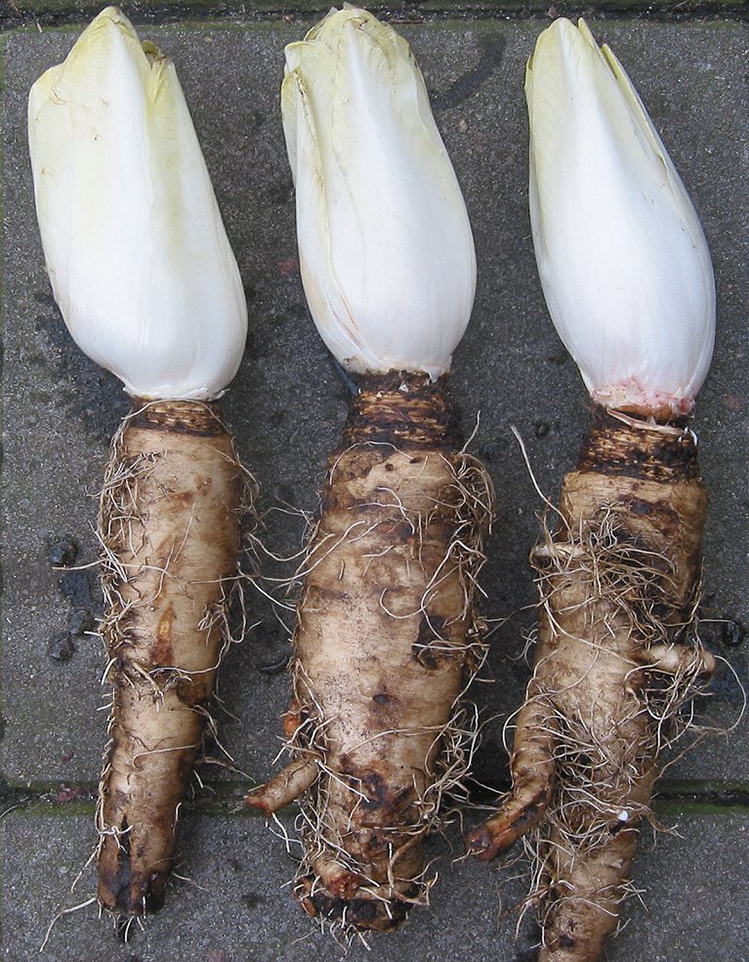
- Forcing Chicons: Forcing is the process of encouraging the harvested roots to produce pale, tender shoots (chicons) during winter. In late autumn, lift the mature roots carefully from the soil and trim back any leaves. Replant the roots in a container filled with moist sand or compost, keeping the crowns just below the surface. Place the container in a cool, dark location, such as a shed or cellar. The darkness ensures the shoots remain pale and tender. Within a few weeks, chicons will begin to grow, ready for harvesting.
Edible Greens and Harvesting Options
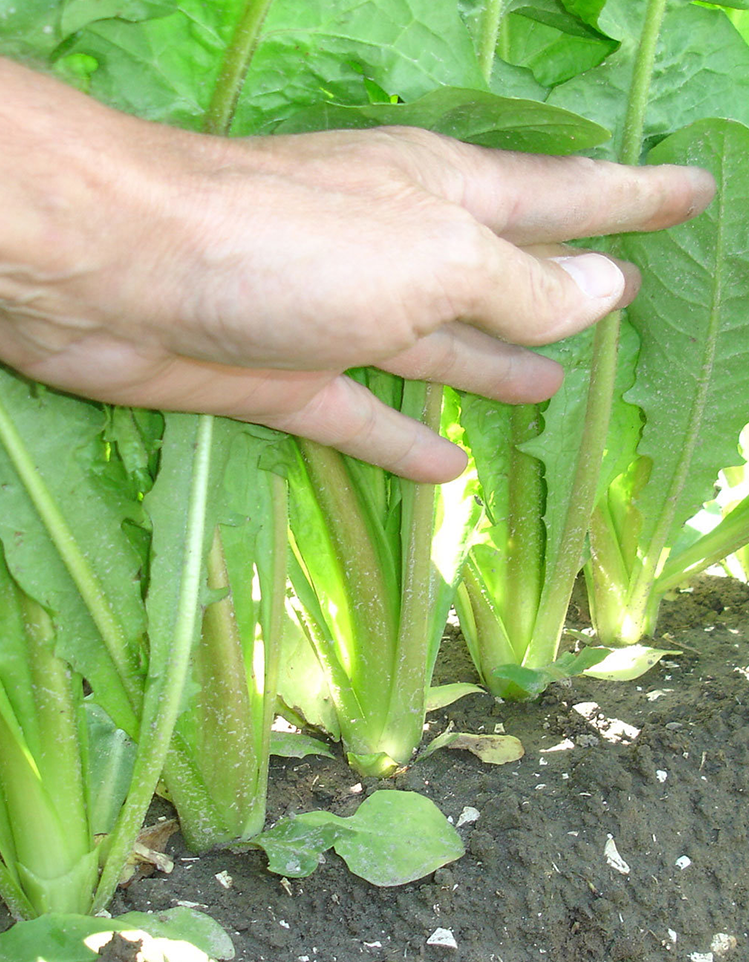
During the initial growing phase, chicory plants produce leafy greens that can be harvested sparingly without affecting the development of the root. These greens are tender and mildly bitter, making them an excellent addition to salads or as a garnish. If you do not plan to force the roots later, you can harvest the greens more generously as the plant grows. For those planning to force, limit harvesting to a small portion of the leaves to allow the roots to develop fully.
Care & Maintenance
- Watering: Keep the soil consistently moist but not waterlogged, especially during dry spells, to encourage healthy root development.
- Feeding: Adding organic matter to the soil before planting will improve fertility. Additional feeding is generally unnecessary if the soil is prepared well.
- Weeding: Regularly remove weeds to prevent competition for nutrients and water, especially during the early growth stages.
Harvesting & Storage
Chicons can be harvested once they are fully formed, typically within three to four weeks of forcing. Cut the shoots at the base of the root. Chicons are best enjoyed fresh but can be stored in the refrigerator for up to a week. Roots not used for forcing can be stored in a cool, dry place for future use. If you do not plan to force the roots, they can be cooked and eaten as a root vegetable, similar to parsnips or turnips.
Culinary Uses
Chicory Brussels Witloof is a versatile vegetable that can be enjoyed raw or cooked. Chicons are delicious when added to salads, where their crisp texture and subtle bitterness complement sweet or tangy dressings. They can also be braised, roasted, or grilled for a more mellow flavour. Wrap them in ham and bake with a cheese sauce for a comforting Belgian classic, or slice them thinly into soups and stews for added texture and flavour. The leafy greens can be enjoyed fresh in salads during the summer months, while the roots themselves can also be roasted or added to hearty winter dishes.


Reviews
No reviews yet.